
Top PVC Board Hot Stamping Foil Manufacturer: The Art of Brilliant Surface Finishing
2026-06-13
In the world of PVC board decoration, achieving a flawless, eye-catching finish is both a challenge and an art. Enter GUMPTION, a name synonymous with premium hot stamping foil solutions. Whether you're crafting luxurious panels or adding a touch of elegance to everyday designs, the right foil transforms surfaces into brilliant masterpieces. But what sets a true top manufacturer apart? Let's explore the craftsmanship and innovation behind GUMPTION’s stunning finishes.
Mastering the Craft of Hot Stamping
Hot stamping isn't just a printing technique—it's a dance between heat, pressure, and precision that turns ordinary surfaces into tactile works of art. The secret most artisans won't tell you is that the real mastery begins long before the foil touches paper. It starts with understanding the subtle interplay between die temperature and dwell time. Too much heat scorches delicate stock; too little leaves the foil patchy and forgettable. I've found that keeping a detailed log of every run—noting the exact foil grade, substrate humidity, and even ambient room temperature—builds an intuition no manual can teach.
What truly separates a proficient operator from a craftsperson, though, is how you handle the unexpected. Foil brands may claim consistency, but every roll has a personality. Learning to read the fine wrinkles on a test strip, or adjusting the make-ready on the fly when humidity shifts mid-run, transforms hot stamping from a mechanical process into a sensory skill. Sometimes the most elegant solutions come from unconventional sources: a custom-machined brass die that distributes heat more evenly, or a split-second pause added to the stamping cycle that lets the foil settle into deep cotton fibers. These micro-adjustments are invisible in the final piece, but they define the difference between a job that merely looks metallic and one that feels irreplaceable.
Ultimately, mastering hot stamping means embracing failure as part of the craft. I've seen beginners panic over a sheet of misregistered foil, only to later realize that ghosted impressions can become layered, intentional textures. The craft evolves when you push boundaries—experimenting with unconventional substrates like raw wood veneer or recycled leather, or combining hot foil with debossing to create a shadow effect that shifts in changing light. Forget chasing perfection; instead, chase curiosity. Each scorched sheet or misaligned plate teaches something no tutorial covers, and over time, your hands learn what your eyes can't see.
Why Surface Finish Defines Product Value
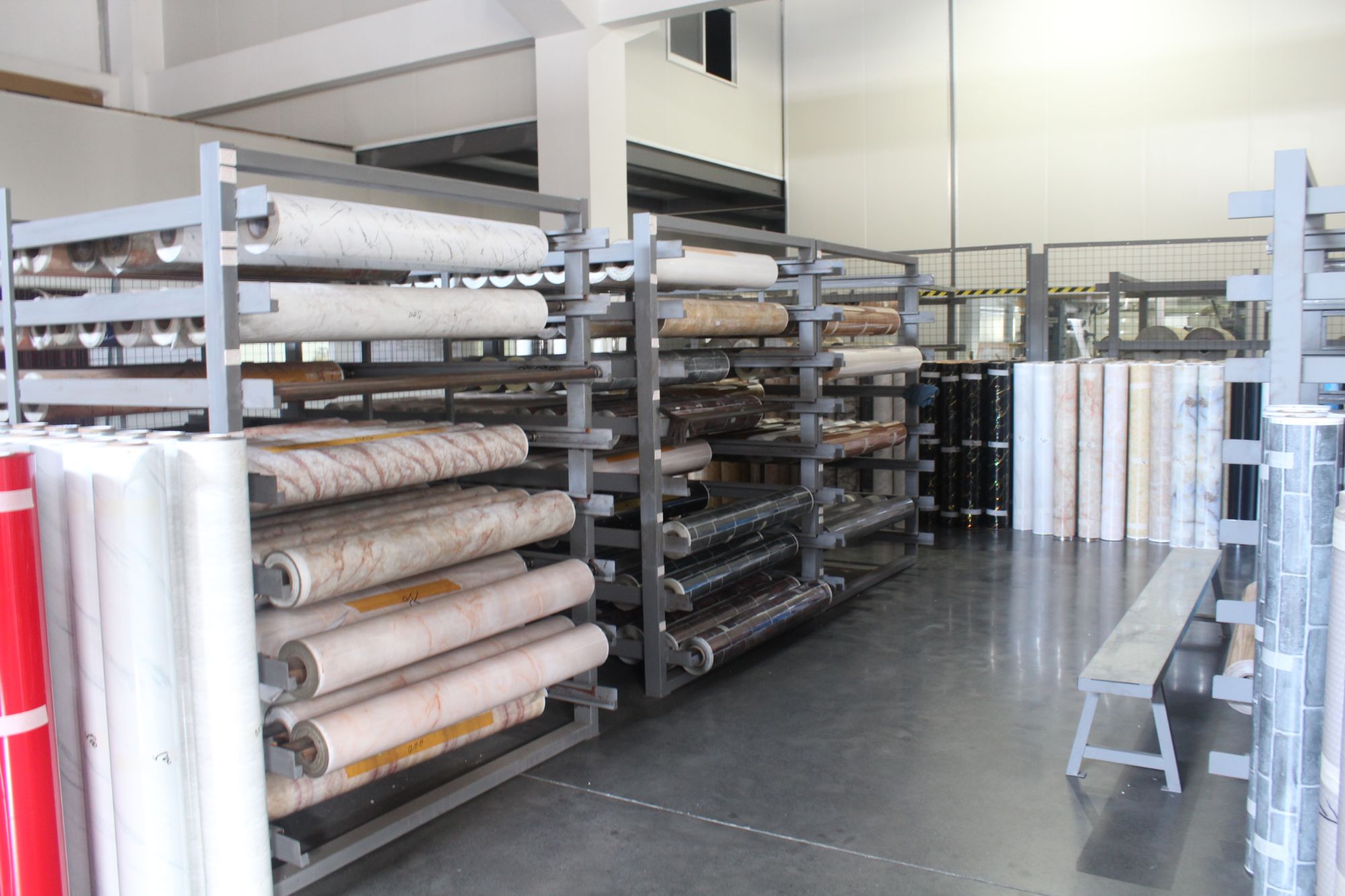
Surface finish does more than catch the eye—it dictates how a product feels, wears, and withstands daily use. A carefully controlled finish slashes friction, blocks moisture, and stands up to scratches, turning an ordinary item into something that lasts years longer. When engineers obsess over microns of roughness, they’re not chasing perfection for its own sake; they’re building reliability right into the physical surface.
Run your fingers across a phone, a watch, or even a kitchen appliance, and the texture tells a story. A silky, uniform surface whispers quality, while a rough, uneven one screams corners cut. Buyers might not articulate it, but that tactile split-second often tips the scale between picking up a product or putting it back. This silent conversation between material and skin wires itself straight into perceived value, shaping loyalty without a single word of marketing.
Behind the scenes, surface finish determines whether parts mate correctly, gaskets seal tight, or bearings spin without chatter. In precision assemblies, a few micrometers of deviation can mean the gap between silent operation and a field failure. That’s why manufacturers put immense effort into honing, lapping, or coating—not for gloss, but to lock in performance that keeps customers safe and products out of the repair bay.
Behind the Foil: Materials and Precision
The thin metallic sheets we casually peel back or press into place are far from trivial. A foil’s character is born from its base material—often aluminum, copper, or gold—each chosen for a distinct interplay of malleability, conductivity, and resistance. High-purity aluminum, for instance, offers an unmatched balance of lightweight flexibility and barrier protection, while copper’s higher density makes it ideal for applications demanding thermal stability. The selection isn’t arbitrary; even trace impurities can drastically alter the foil’s behavior during rolling, annealing, or end use.
Precision enters at every stage, starting with the rolling mills that reduce thick slabs into gossamer layers thinner than a human hair. Gauge control is measured in microns, often requiring laser sensors that adjust roller pressure in real time to prevent micro-tearing or uneven thickness. Beyond thickness, surface finish becomes a critical factor: a near-mirror polish minimizes oxidation in sensitive electronics, while a matte texture enhances adhesion for packaging laminates. These aren’t generic process steps; they are targeted adjustments that turn raw metal into a high-performance material.
The art—and science—lies in knowing how far to push the material. Push aluminum too thin without proper annealing, and it cracks; heat it too aggressively, and you risk altering its temper. This dance between brute force and restraint is what separates commodity foil from precision-engineered grades. It’s a reminder that what often appears as a simple shimmer conceals a rigorous marriage of material wisdom and exacting craft.
Innovations in PVC Board Decoration
Modern PVC board decoration has evolved from basic laminates into a world of hyper-realistic textures and finishes. Manufacturers now offer surfaces that convincingly mimic natural wood grain, brushed metal, and even raw stone, thanks to advanced embossing and digital printing techniques. These innovations allow designers to achieve the warmth of timber or the sleekness of marble without the cost and maintenance hassles of real materials, making high-end aesthetics accessible for both residential and commercial projects. The tactile experience is equally impressive—some boards feature synchronized embossing, where the raised pattern perfectly aligns with the printed design, fooling both the eye and the touch.
Durability has also taken a leap forward with new protective coatings that resist scratches, stains, and fading far better than earlier generations. Self-healing films, originally developed for automotive paint, are now being adapted for decorative PVC panels, capable of recovering from minor surface damage when exposed to heat. Meanwhile, UV-cured lacquers and nano-ceramic coatings create a barrier that keeps colors vibrant even in sun-drenched spaces, solving one of the biggest pain points in interior and exterior cladding. These functional upgrades mean that decorative PVC boards are no longer just a cost-effective alternative—they’re a practical choice for high-traffic areas, humid bathrooms, and outdoor façades where traditional materials quickly degrade.
Installation-friendly innovations have quietly transformed how PVC decorative boards are used, cutting down labor time and complexity. Click-lock floating systems, originally seen in laminate flooring, have been re-engineered for wall panels, allowing a single person to install a feature wall in an afternoon without glue or nails. Magnetic backing options, slim-profile interlocking edges, and lightweight core materials further simplify the process, making it feasible for DIY enthusiasts and professionals alike. Beyond convenience, there’s a growing focus on eco-conscious production—some manufacturers are introducing boards made from recycled PVC content and bio-based plasticizers, reducing the environmental footprint without sacrificing design versatility. This shift reflects a broader industry trend toward circular economy principles, where today’s decorative surfaces can be repurposed or more easily recycled at the end of their life.
Tailored Solutions for Unique Projects
Every project carries its own fingerprint—a distinct blend of goals, constraints, and possibilities. Off-the-rack approaches rarely fit when you're navigating uncharted territory. That's why we step in without a prewritten playbook, crafting strategies that align tightly with your vision rather than forcing your vision into a mold. It's about listening first, then building something that simply works the way you need it to.
The process starts with understanding what makes your project different. Is it an unusual timeline, a niche market, a novel technology, or a combination of these? From there, we design a solution that flexes with your reality—whether that means modular planning, adaptive resource allocation, or creative problem-solving midstream. The result isn't a generic fix; it's a deliberate, functional fit that grows with your project, not alongside it.
We measure success by how effortless the complex becomes. When a tailored plan hits its stride, it feels like it was always meant to be that way—because, in a sense, it was. No excess, no missing pieces. Just a clean, logical alignment between challenge and response, shaped entirely around you.
The Future of Brilliant Finishes
Surfaces are set to become far more than just visual statements. The next wave of brilliant finishes will embed intelligence directly into materials—think coatings that heal minor scratches under sunlight or pigments that shift hue in response to temperature changes. These dynamic qualities won’t be reserved for high-end products for long; manufacturing advances are rapidly bringing adaptive finishes into everyday items.
Sustainability isn’t slowing down the pursuit of luster—it’s refining it. Researchers are extracting dazzling, iridescent pigments from fruit waste and algae, creating bio-based topcoats that rival synthetic alternatives. The result is a finish that feels alive, with depth and character, while meeting strict environmental standards without compromising on durability.
Advances in application technology mean textures and gradients once impossible to mass-produce are becoming routine. Robotic spraying arms driven by machine learning can now replicate the nuanced, multi-layered patinas found in nature, delivering finishes that appear hand-crafted at scale. This blurring of art and automation points toward a future where every product surface tells a more compelling story.
FAQ
Hot stamping foil is a thin film carrying a layer of pigment or metallic coating that is transferred onto surfaces using heat and pressure. For PVC boards, the foil is pressed onto the board with a heated die, which activates the adhesive layer, bonding the design permanently to the plastic surface. This method creates a brilliant, durable finish without the need for paints or solvents.
They stand out due to decades of specialized experience, advanced production technology, and rigorous quality control. Their foils are engineered for superior adhesion on PVC, offering consistent color, sharp detail, and long-lasting performance under various conditions. Plus, they provide extensive customization options and reliable technical support.
Hot stamping delivers a smoother, more reflective finish that can mimic expensive materials like gold, silver, or brushed metal at a fraction of the cost. It's faster, cleaner, and more environmentally friendly since it produces no VOCs or liquid waste. The result is also more resistant to scratches, UV light, and chemicals than many painted surfaces.
You can achieve a wide range of effects including high-gloss metallics, holographic patterns, matte textures, pearlescent finishes, wood grains, and even custom holograms. The precision of the stamping allows for intricate designs and fine details, making it ideal for branding and decorative purposes.
Common applications include furniture edging, interior decoration panels, signage, display stands, automotive interiors, and consumer electronics housing. Essentially, any industry that values aesthetic appeal and durability in plastic parts can benefit from hot stamped PVC boards.
It depends on factors like the desired finish (metallic, pigment, or pattern), required durability (indoor vs. outdoor use), adhesion compatibility with the PVC grade, and application temperature. Consulting with the foil manufacturer is crucial, as they can recommend products that match your equipment and performance needs.
Conclusion
Mastering hot stamping on PVC boards requires a blend of technical finesse and material insight rarely seen in large-scale manufacturing. As a top manufacturer, we approach every foil run as a craft—matching precise temperatures, dwell times, and pressures to each unique substrate. This is what gives our finishes their signature depth and durability. We know that surface finish isn’t just an aesthetic afterthought; it’s the silent ambassador of product value. A perfectly stamped woodgrain, a brushed metallic, or a high-gloss accent can elevate a simple panel into a premium design element. Behind that result lies rigorous material selection: from the chemistry of the release layer to the thickness of the aluminum vapor coat, every variable is optimized. Our in-house compounding of carrier films and adhesives ensures consistency batch after batch, so the final product doesn’t just look spectacular—it resists abrasion, UV fading, and chemical attack in real-world use.
Innovation drives everything we do. We’ve moved beyond standard patterns to offer digitally engraved embossing rollers that replicate natural textures with microscopic accuracy, from weathered oak to patinated copper. Every project, whether a boutique hotel lobby or a retail fixture rollout, gets tailored solutions—custom colors, repositionable adhesives, even anti-fingerprint topcoats. Our R&D lab continuously tests new eco-friendly foils that reduce solvent use while maintaining brilliance. Looking ahead, we’re combining hot stamping with inline digital printing, enabling variable-data decoration that was once impossible on rigid PVC. The future of surface finishing is about more than shiny good looks: it’s about smart, sustainable materials that respond to touch and light in ways that captivate. And we’re proud to be the ones pushing that art forward, one brilliant sheet at a time.
Contact Us
Contact Person: Hsien
Email: [email protected]
Tel/WhatsApp: +86 57387072688
Website: https://www.gsfilm.cn